 TheFitnessPlate
Vegetables and Satiety: The Physiological Link
Explanation of how vegetable volume, fiber content, and nutrient density influence satiation mechanisms and eating patterns.
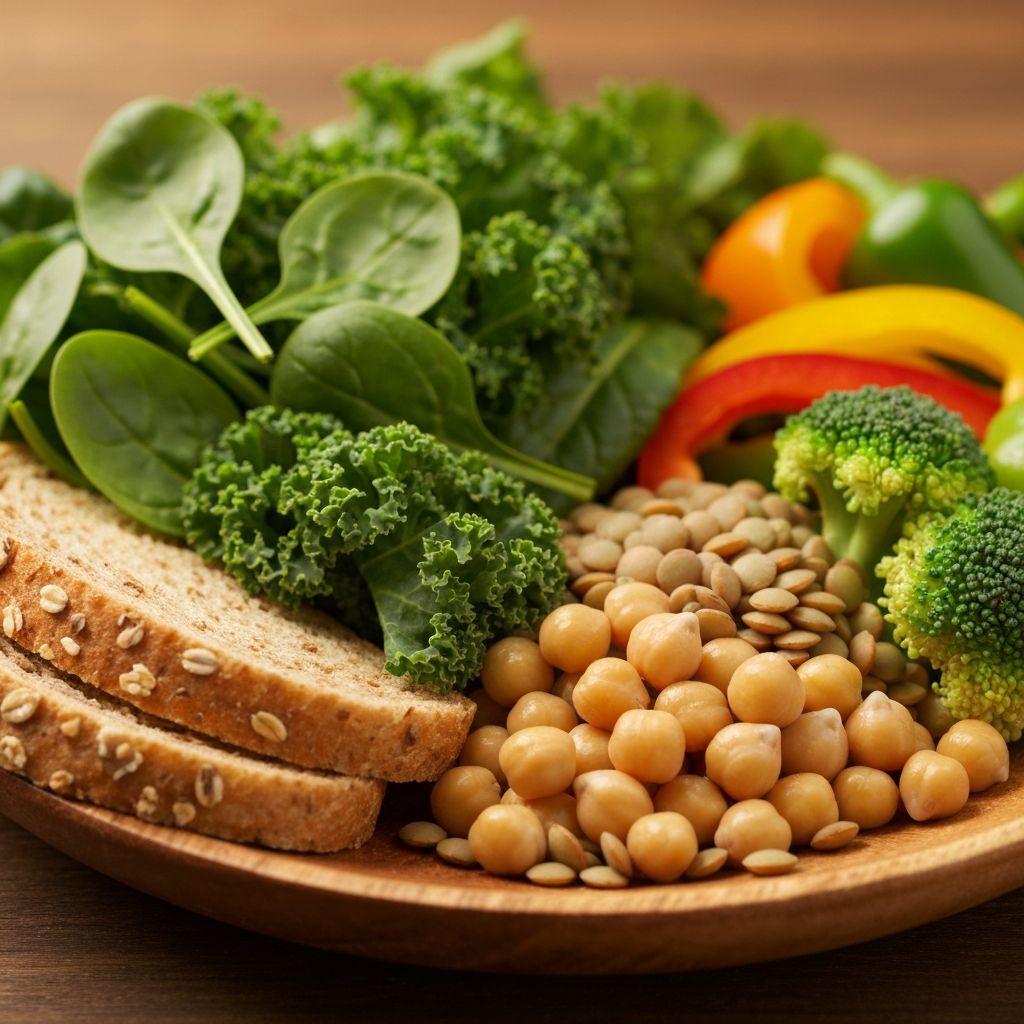
Understanding Satiety Mechanisms
Satiety—the feeling of fullness and satisfaction after eating—involves complex physiological signaling systems. Scientific research identifies multiple pathways through which consumed foods communicate to the brain about nutrient intake and meal completion. These pathways include mechanical stomach distension, hormonal signaling, nutrient absorption patterns, and psychological factors.
Vegetables play a significant role in several of these satiety mechanisms due to their unique nutritional composition.
Fiber and Gastric Filling
Dietary fiber in vegetables influences satiety through multiple mechanisms. Soluble fiber slows gastric emptying—the rate at which food leaves the stomach—extending the period during which the stomach remains filled. This mechanical distension signals fullness to the brain through vagal nerve pathways.
Insoluble fiber contributes to meal volume without adding significant calories, promoting feelings of fullness. The combination of fiber types from diverse vegetables creates sustained satiety signals through both mechanical and chemical pathways.
Volume and Energy Density
Vegetables contain high water content and low caloric density—providing substantial volume with relatively few calories. This characteristic allows individuals to consume larger meal volumes while maintaining moderate total energy intake. Scientific research suggests that meal volume influences satiety perception independent of caloric content.
When vegetables comprise a substantial portion of a plate, the meal achieves greater volume, potentially promoting satiety through gastric distension mechanisms. This volume contribution explains why vegetable-rich plates may support sustained feelings of fullness.
Hormonal Signaling
Different food components trigger varying hormonal responses that communicate satiety to the central nervous system. Nutrients absorbed from vegetable consumption stimulate release of gut hormones including GLP-1, PYY, and cholecystokinin (CCK), which signal nutrient presence and promote satiation.
The fiber content in vegetables also influences colonic fermentation patterns, generating short-chain fatty acids that provide satiety-related signaling independent of direct nutrient absorption.
Micronutrient Density
Vegetables provide concentrated micronutrient profiles—vitamins, minerals, and phytonutrients—with minimal caloric contribution. Scientific research explores the relationship between micronutrient status and appetite regulation. Some evidence suggests that micronutrient-dense foods may support satiety signaling more effectively than nutrient-poor alternatives.
The micronutrient profile of vegetables may contribute to optimal satiety signaling through multiple physiological pathways.
Plant Compounds and Metabolic Effects
Vegetables contain diverse bioactive compounds—polyphenols, glucosinolates, carotenoids—that influence digestive processes and metabolism. Some of these compounds demonstrate anti-inflammatory properties and may influence satiety-related hormone secretion.
The complex interaction of these plant compounds with digestive and metabolic processes creates a more nuanced physiological response than simple macronutrient analysis suggests.
Practical Implications for Plate Composition
Understanding the physiological mechanisms linking vegetables to satiety provides scientific rationale for emphasizing vegetables in plate composition frameworks. A plate with substantial vegetable content achieves:
- Greater overall volume supporting mechanical satiety signals
- Sustained gastric filling through fiber effects
- Optimized hormonal signaling for appetite regulation
- Micronutrient-dense nutrient provision
- Diverse phytonutrient delivery supporting metabolic health
Individual Variability in Vegetable Response
While scientific evidence supports general mechanisms linking vegetables to satiety, individual responses vary considerably. Factors including gut microbiota composition, digestive efficiency, taste preferences, meal pattern history, and metabolic characteristics influence how effectively vegetable consumption promotes satiation in specific individuals.
Understanding underlying physiological mechanisms provides context for exploring how vegetables might support satiety in personal eating experiences.
Educational Context: This article explores the physiological mechanisms by which vegetables may influence satiety. This information is educational and not personalized dietary guidance. Individual satiety responses vary based on many factors. Consult qualified professionals for personalized nutrition advice.