 TheFitnessPlate
Protein Placement on the Plate
Discussion of protein's role in meal satisfaction, amino acid availability, and physiological satiation signaling.
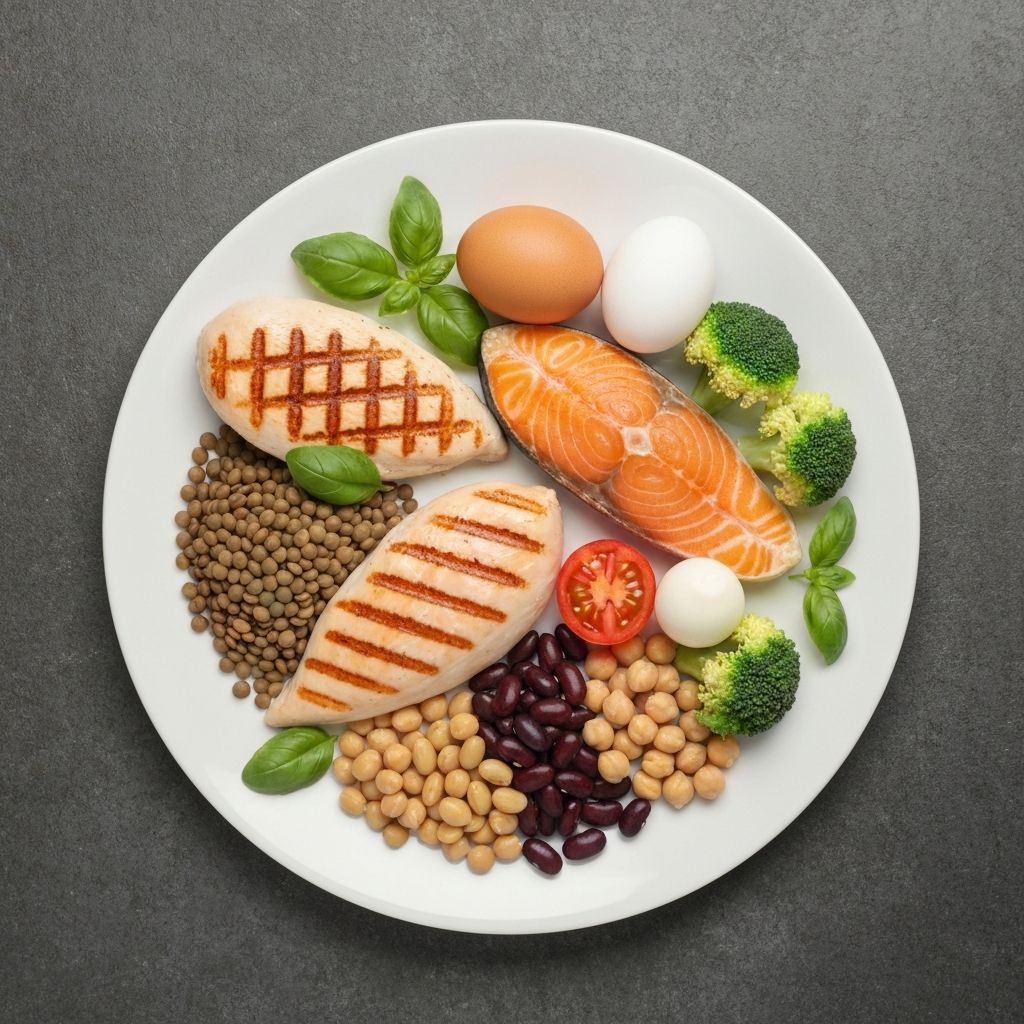
Protein's Multifaceted Roles
Protein occupies a central position in balanced plate frameworks due to its diverse physiological functions. Beyond providing amino acids for tissue synthesis, protein influences satiety signaling, metabolic rate, nutrient absorption patterns, and various enzymatic processes. Understanding these functions illuminates why protein inclusion features prominently in nutritional recommendations.
Satiety and Appetite Signaling
Scientific research consistently demonstrates that protein generates stronger satiety signals than equivalent calories from carbohydrates or fats. This phenomenon occurs through multiple mechanisms:
- Amino acid sensing: Proteins are broken into amino acids during digestion, which trigger specialized receptors in the intestinal tract and portal blood, signaling nutrient presence to satiety centers in the brain.
- Hormonal effects: Protein consumption stimulates release of hormones including cholecystokinin (CCK) and peptide YY (PYY), which promote feelings of fullness and reduce subsequent energy intake.
- Thermic effects: Protein requires more energy for digestion, absorption, and processing compared to other macronutrients—a phenomenon termed dietary thermogenesis or the thermic effect of food.
Amino Acid Composition and Completeness
Proteins vary in their amino acid composition and completeness. Complete proteins contain all nine essential amino acids in proportions supporting human tissue synthesis. Most animal proteins—meat, poultry, fish, eggs, dairy—provide complete amino acid profiles.
Plant proteins vary in completeness, though combining different plant protein sources throughout the day achieves complementary amino acid profiles providing all essential amino acids.
Understanding this variation supports informed plate composition through diverse protein source selection.
Metabolic Rate and Energy Expenditure
Protein contributes to thermogenesis more significantly than carbohydrates or fats. Approximately 20-30% of protein calories are expended in digestion and processing, compared to 5-10% for carbohydrates and 0-3% for fats. This metabolic distinction reflects the physiological costs of amino acid transport, protein synthesis, and related processes.
The thermic effect of protein contributes to overall energy expenditure, though its practical significance in daily energy balance remains a subject of ongoing research.
Muscle Protein Synthesis and Tissue Health
Scientific literature extensively examines protein's role in supporting muscle protein synthesis—the process through which dietary amino acids are incorporated into body proteins. Adequate protein intake with appropriate amino acid distribution supports maintenance and development of muscle tissue.
This physiological role extends beyond athletic contexts, as muscle tissue contributes to metabolic health, functional capacity, and nutrient storage across the lifespan.
Nutrient Absorption and Synergy
Protein interacts with other plate components to influence overall nutrient absorption. For example, vitamin C from vegetables enhances absorption of iron from plant-based proteins. Protein in meals influences the absorption of fat-soluble vitamins by supporting lipid micelle formation in the intestinal lumen.
These synergistic interactions demonstrate how balanced plate composition creates nutrient bioavailability benefits beyond simple nutrient addition.
Protein Quantity Considerations
Recommended protein intake varies based on individual factors including age, activity level, health status, and specific health goals. Research explores optimal protein distribution across meals, timing relative to physical activity, and individual variability in protein requirements.
Plate-based frameworks typically emphasize protein inclusion without specifying absolute quantities, recognizing that individual needs vary considerably.
Protein Diversity on the Plate
Emphasizing diverse protein sources ensures varied amino acid profiles and associated micronutrient contributions. Different proteins bring distinct nutrient packages:
- Fatty fish provide omega-3 fatty acids alongside protein
- Legumes contribute fiber and plant polyphenols with protein
- Poultry provides lean protein with B vitamins
- Eggs offer complete protein with choline for neurological health
- Dairy adds protein with calcium and other minerals
Educational Context: This article explores protein's physiological roles in meal composition and satiety. This is educational information, not personalized nutritional guidance. Individual protein needs vary based on many factors. Consult qualified nutrition professionals for personalized advice.